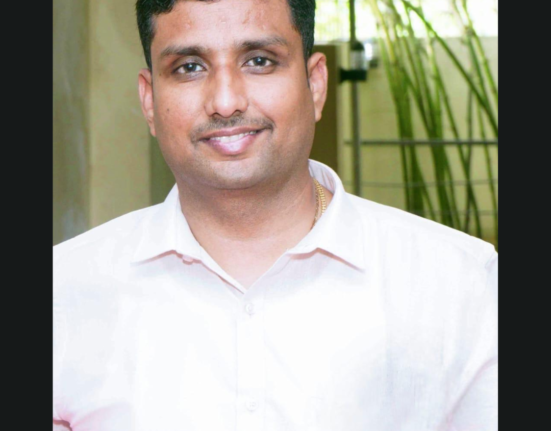
Walk into most corporate offices, and you’ll find coffee machines, bean bags, and wellness rooms, but rarely any thoughtful infrastructure for menstrual health. For Deep Bajaj, Founder of Sirona, this gap is glaring. “If you ask any woman, ‘Do you find clean toilets in India?’ The answer will also be a question mark,” he said in a recent conversation with Pushkar Bidwai on People Matters’ Humanscope podcast.
The Importance of Empathy at Work
In conversations about the “future of work,” technology and productivity often dominate. Yet, Bajaj insists that empathy must be the true foundation. “If puberty to menopause is the spectrum that we have to operate within, let’s identify every small neglected problem. I believe if we can make the workplace more welcoming for women, whether through making all period hygiene products available or through just having regular webinars or sessions to normalize the discussion of menstruation, we are doing the right thing,” he said.
His suggestion is not just about corporate campuses. “All the great workplaces should have input on the state of female toilets and hygiene. How period-ready are you? How are you creating a workplace which is empathetic towards getting more women to work in a more comfortable way?” he added.
The need is urgent: According to a Lancet study, nearly 20% of women and girls in south Asia abstain from regular daily activities during periods. Add to this the reality that 54% of working women report absenteeism due to menstrual health challenges, and the case for empathy-led workplace design becomes undeniable.
Fighting Period Poverty and Mental Health Gaps
The conversation around workplace inclusion extends beyond corporate HR policies. Period poverty, still rampant in India, feeds into dropout rates, absenteeism, and missed opportunities. Bajaj highlighted why sustainable interventions are essential: “We realized that giving money every month wasn’t beneficial because at some point, when the supply stops, the problem returns. So we needed to solve it for the longer term. That’s why we started giving menstrual cups. They last for years, and at least the flow problem gets solved,” he explained.
He also underlined the connection between health, stigma, and mental well-being. “The stigma, the lack of awareness, the absence of support, it all affects mental health. If money wasn’t a constraint, I would really want to solve for empathy and mental wellness. Technology can play a role here, making support accessible and efficient,” he said.
Building Truly Inclusive Workplaces
Inclusivity, Bajaj stressed, should expand beyond women to the LGBTQI+ community. “We also need to design with the LGBTQI+ community in mind. Menstrual health is not only about women, and workplaces must recognize this. We’ve tried to hear from the community and would love to collaborate to see what issues we can solve, whether through a dialogue or a product,” he said.
From frontline jobs to manufacturing floors, inclusivity requires practical planning. “We can’t just solve for the fancy offices in Cybercity; this needs to be solved across the board,” he pointed out.
This echoes what HR leaders are already grappling with: how to extend diversity and inclusion beyond metros, and into industries where women’s participation is growing, but infrastructure and support systems remain weak.
A Shift Leaders Must Drive
At its core, the message is less about products and more about mindset. Bajaj put it simply: “Workplaces must move from tokenism to real empathy. That is what will shape the future of work.”
As organizations race to adopt AI and automation, his reminder is clear: the future of work cannot be built on technology alone. It must be human, inclusive, and above all – empathetic.