-
Organisations report high adoption of preventive and digital wellbeing, yet only 41% have chronic care programs and just 11% use predictive analytics for impact
-
Findings reveal multiple-provider fragmentation, low value perception and uneven ROI tracking despite a surge in structured wellbeing frameworks.
Bengaluru, 27 November 2025: Truworth Wellness, a leader in corporate wellness solutions, today launched The Great Wellbeing Shift: India’s Corporate Health Study 2026, a landmark benchmark study that uncovers the structural, behavioural and governance gaps shaping workforce wellbeing across India Inc.
Drawing insights from over 300 organisations, the study examines wellbeing ownership, governance maturity, health-risk trends, chronic care readiness, digital ecosystem adoption, women’s wellbeing, segmentation, engagement barriers, and measurement intelligence.
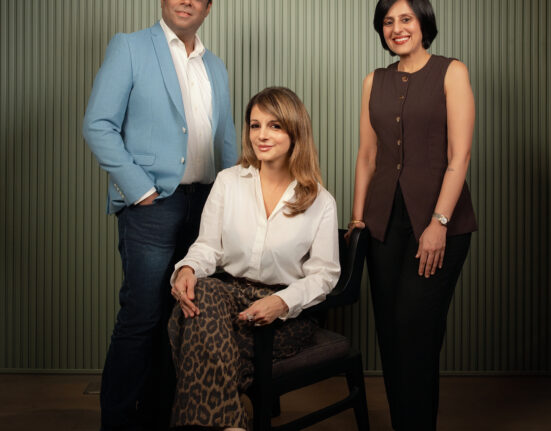
Rajesh Mundra, Founder & Executive Chairman, Truworth Wellness, said, “Organisations need cohesive, outcome-led ecosystems, not isolated programs that compete for user attention. This also means moving beyond vanity metrics and adopting ROI frameworks that give CFOs and boards real clarity. Above all, wellbeing must become personal, tailored to individual needs, risks and life stages. That is the only way to build trust, drive adoption and create sustainable health impact. Our latest study shows a clear mandate for India Inc.: wellness must move from fragmentation to integration. The Great Wellbeing Shift is a wake-up call for every boardroom. The next era of wellbeing demands precision, integration and intelligence, not just more programs.”
Rohit Chohan, Co-Founder & CEO, Truworth Wellness, said, “Our latest study quantifies what HR leaders have sensed for years: corporate wellness in India is fragmented, over-engineered and under-measured. We hear many HR leaders say their teams are struggling with too many vendors, too many apps and too many disconnected programs, but not enough real impact.”
“As we step into 2026, India Inc. must start chasing ROI with the right yardstick: participation is not improvement and app downloads are not health outcomes. Unless organisations shift to true outcome measurement, they will continue to spend more and achieve less. At Truworth Wellness, we remain committed to helping organisations move from reactive care to predictive, personalised and measurable wellbeing systems,” he added.
Key Findings from the Study:
-
83% of organisations now operate with structured or fully integrated wellbeing frameworks, showing a decisive shift from isolated HR-led initiatives to truly enterprise-wide wellbeing systems.
-
Governance is strengthened with 62% assigning ownership to the CHRO and 10% elevating it to the CEO or Board. Wellbeing is increasingly treated as a business priority rather than an HR program.
-
Preventive and mental health care have become standard with 83% offering counselling or EAP services and 81% providing annual health checks and screenings.
-
Digital and family-focused wellbeing offerings are becoming mainstream with 66% offering digital wellbeing platforms, 57% supporting family wellbeing, 55% implementing psychological safety initiatives and 49% offering virtual care.
-
Chronic care continues to be the biggest capability and outcomes gap with only 41% offering structured chronic disease management despite rising lifestyle-driven health risks.
-
Personalisation is improving with 51% of organisations using demographic segmentation and 25% running inclusion-focused programs. However, only 14% use advanced AI-driven personalisation and 4% still operate universal one-size-fits-all programs.
-
Women’s wellbeing has become a strategic priority with 55% offering expanded services beyond maternity and 19% providing comprehensive women’s health ecosystems including menopause support and career-life integration.
-
Fragmentation remains a major challenge with organisations relying on multiple vendors that create disconnected user experiences. Key barriers include capacity constraints affecting 71% of organisations, low value perception affecting 52% and cultural resistance affecting 46%.
-
Measurement practices are improving but still uneven with 35% adopting integrated ROI and VOI dashboards, 27% relying mostly on VOI indicators, only 12% calculating financial ROI and only 11% using predictive analytics.
The study offers CHROs, boards and rewards leaders a first-ever panoramic view of India’s wellbeing maturity, wellness models, engagement barriers, and the structural shifts redefining workforce health. It builds on Truworth Wellness’ long-term mission to make wellbeing predictive, personalised and measurable, as outlined in the company’s industry strategy and boardroom narrative.
The study also features insights from leaders across Deutsche Bank, Deloitte, SAP Labs, Tata Steel, Titan, Tech Mahindra and others.